

The digital-only immigration system: exclusion in practice
Written by: Caroline Echwald

This article covers how a digital-only immigration system increases risk for marginalised communities.
Since the Home Office introduced the digital immigration status and rolled out the eVisa, we have supported people navigating the new digital-only immigration system.
This shift did not begin with eVisas. The EU Settlement Scheme (EUSS) was the first large-scale fully digital immigration status and effectively acted as a testing ground for digitisation in the immigration system. Seraphus has been working with EUSS cases for several years, supporting people with digital-only status and building extensive experience of how these systems operate in practice.
Based on this casework, it is clear to us that the digital-only system does not work for everyone. For many, particularly those who are already marginalised or facing additional challenges, proving their immigration status has become harder, not easier. The absence of any non-digital alternatives systematically excludes some people and increases their exposure to risk.
Our central concern is not digitisation itself, but the assumption that everyone can access, understand and reliably use a digital system. In practice, that assumption does not hold particularly for people whose lives are shaped by precarity, instability, or multiple, intersecting needs.
What research shows
The recent report Exclusion by Design reflects what we see in our casework. Migrants describe stress, confusion, and exclusion when required to rely on a digital-only system that offer little flexibility or effective routes to solve problems.
The research carried out in the report shows that while experiences differ, many migrants, particularly those already vulnerable, experienced negative impacts from the digitisation of immigration status, reinforcing a sense of ongoing precarity. As immigration control increasingly enters daily life through repeated “log-on and prove your rights” requests, even minor technical failures can have serious consequences for a person’s ability to exercise basic rights, especially racialised communities.
As the report highlights, and as we see in practice, gaps in official support mean that migrants turn to advisers, charities and support workers to resolve digital issues. This shifts responsibility away from the Home Office and places additional pressure on services that are not resourced to provide ongoing support to systematic digital failures.
These findings mirror the long-standing concerns raised by professionals working with EUSS cases, including Seraphus and the EUSS Alliance, which has consistently documented the impacts of digital-only status on vulnerable people’s ability to access their rights.
How the digital system works
Digital-only systems assume a level of stability, confidence and access that not everyone has. They require:
- Regular access to the internet and devices
- Stable email addresses and phone numbers
- Confidence navigating online systems
- The ability to recognise and resolve errors independently
For many of the people we support, these assumptions do not reflect reality. Digital status does not exist in isolation from the rest of someone’s life.
While the technical “glitches” of the digital immigration system has been explored in recent articles, our concern is with how we see the system operate in real lives through our casework. A digital-only approach increases the risk for people who are already vulnerable because it fails to account for limits to digital access and the wider context in which the system must be used.
Who is being excluded
We support a range of individuals who are made vulnerable in various ways. They include:
- Older people with limited digital literacy
- People experiencing poor health, addiction or social isolation
- People who are homeless or have insecure housing or limited access to devices
- People with limited English language proficiency
These factors all affect someone’s ability navigate a digital-only system. They do not, however, affect a person’s immigration status or their legal rights to live, work and access services in the UK.
Many people with immigration status will likely find the system straightforward. Our concern is that the Home Office’s inflexible approach requires everyone to rely on a digital status without recognising that it places some people at a significant disadvantage. It is the lack of non-digital alternatives that pushes already vulnerable people into further risk, particularly those who live in more precarious circumstances, moving frequently between jobs, housing, or support networks and are required to prove their status more often than others.
When system fails, consequences are serious
For people who struggle to use the digital system, the consequences can be severe. Difficulties accessing or proving status can affect a person’s ability to work, access housing or remain in the UK, the place they call home.
In one case we worked on, an individual who had lived in the UK for decades was experiencing serious health challenges and could not manage setting up a digital account independently. While a family member provided some support, delays in the Home Office decision-making process meant that by the time we became involved, access to the online account had been lost after years of waiting time, and important Home Office messages had been missed.
In this case, and others like it, what would have been a relatively straightforward case was made significantly more complex by the digital-only system. Instead of reviewing physical documents or correspondence, the first task became recovering access to an online account, resolving issues with password and email accesses before legal advice could even begin.
Shifting risk onto individuals and support services
In other cases we have supported, social workers or other support staff have set up digital accounts on behalf of the people they support. While this may resolve an immediate issue, it creates longer-term risks. If a worker moves role, or an organisation changes systems, a person’s immigration status may be linked to an email address neither they nor the people supporting them control.
The digital-only immigration system is not a one-off interaction. People are required to log in repeatedly to prove their status, generate share codes, update their details or renew identity documents. Each interaction with the system is a new point of risk of someone not being able to access their account when needed. For people living with instability or limited digital skills, these risks accumulate over time.
Even where we can help someone regain access to their digital status, that support has limited value if they cannot use the system independently in their daily life. This is also true for people who are digitally literate but do not trust digital-only systems, particularly in light of the growing frequency and seriousness of cyber security attacks, including the Legal Aid Agency data breach that disrupted access to justice for many months.
Error messages or incorrect details preventing someone from proving their right to live in the UK can cause significant stress, particularly in a political and social climate that is already hostile towards migrants.
Increased complexity means a growing need for support
The impact of the digital-only system can be felt in the growing need for advice to help vulnerable individuals access and use their digital status.
In practice, the digital-only immigration system has added new layers of work to the cases we handle. We regularly see cases involving incorrect personal details on eVisas, multiple accounts created after error messages and missed communications from the Home Office. Resolving these issues (if we can), takes valuable time, often before any potential substantive legal advice can begin.
Supporting someone to secure a visa or settlement is no longer the end of the process. We must now also cover how to access, maintain and repeatedly prove that status in a system that assumes digital confidence.
The digital immigration system is now firmly in place, and it is unlikely to be reversed. However, a digital-only system that excludes marginalised communities is not fit for purpose. Without meaningful safeguards and non-digital alternatives, vulnerable individuals will continue to face barriers to their rights, and support services will bear the burden of systemic failure. Ensuring accessible, inclusive non-digital alternatives is not optional, it is essential to prevent digital exclusion from turning into a loss of rights.

Report issues with digital status
If you are experiencing issues with your digital immigration status you can report it via the3milion report it tool:

Get digital support
If you need digital support to access or set up your online immigration status, you can reach out to Migrant Help:

Guide to support someone with digital status
If you are supporting someone with their digital immigration status this guide from Right to Remain can help you:
-
The UK Immigration System, A Digital Status Crisis
Written by: Caroline Echwald
Over the past decade, the UK has moved towards a digital-only system for immigration statuses, replacing physical documents with eVisas and online records. This system is intended to make it easier to prove the right to work, rent, study, and access services in the UK. Every person with an immigration status is expected to maintain an online […]Read article -
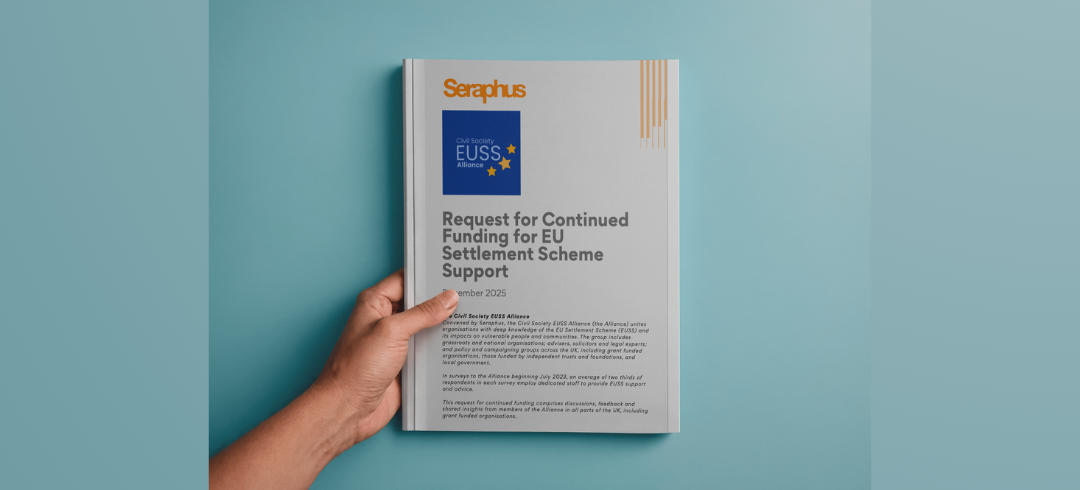
Securing the rights of EU citizens: The case for continued funding of the sector
Written by: Lydia Martin
Since the launch of the EU Settlement Scheme (EUSS) in 2019, civil society organisations across the UK have played a vital role in ensuring that vulnerable EU citizens and their family members are able to secure their rights under the Withdrawal Agreement. Through Home Office grant funding, these organisations have provided essential legal advice and […]Read article -
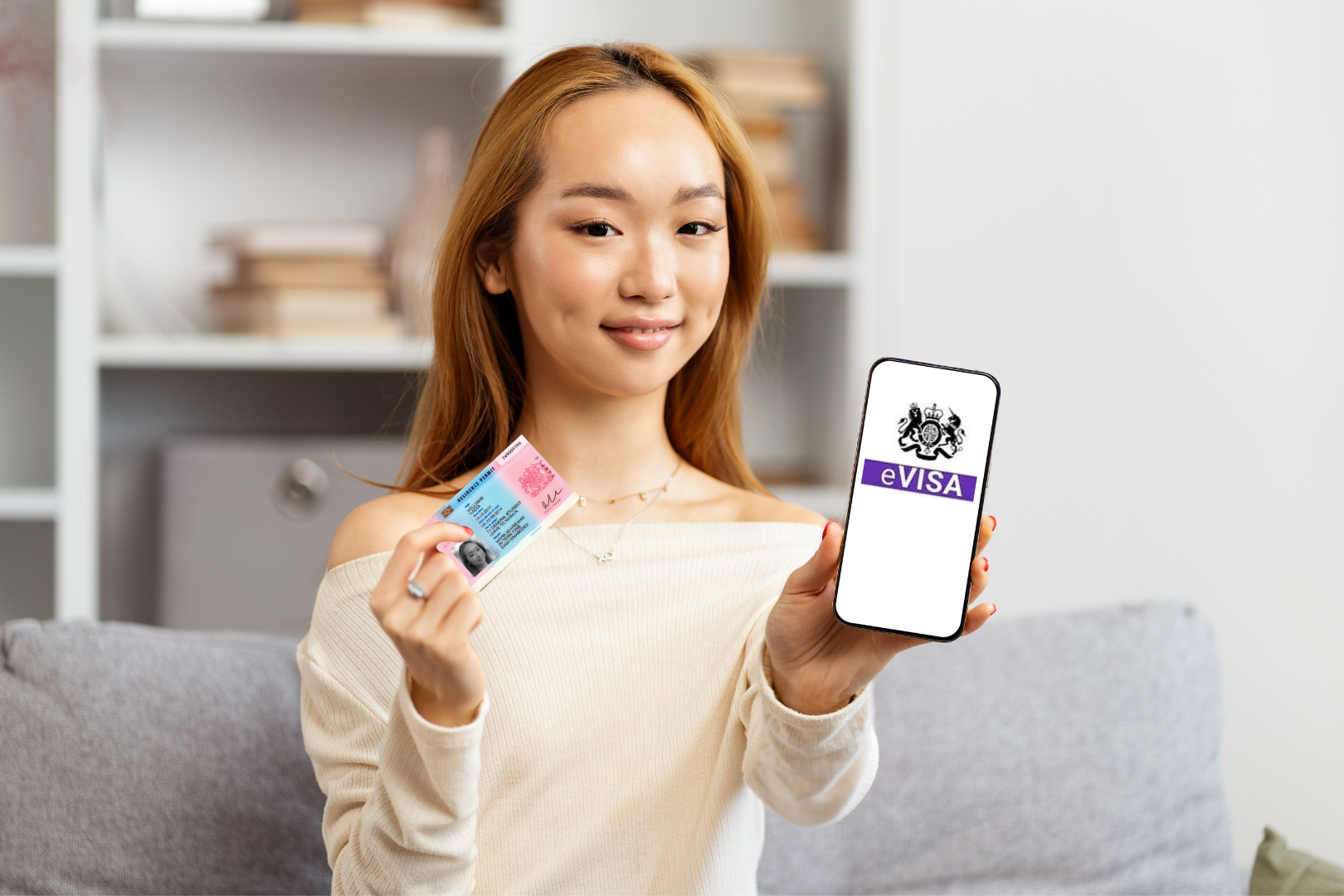
eVisa: A guide to understanding the UK’s new digital immigration system
Written by: Chris Benn
The UK is transitioning to a fully digital immigration system, replacing physical immigration documents with an online record known as an eVisa. This change will affect millions of people, making it crucial to understand how to navigate the new system effectively. In this article we go through what this change means and what steps you can […]Read article
Categories: EU Citizen RightsImmigration Rights