

The new 30-month limit for refugees, what it means and why it matters?
Written by: Caroline Echwald
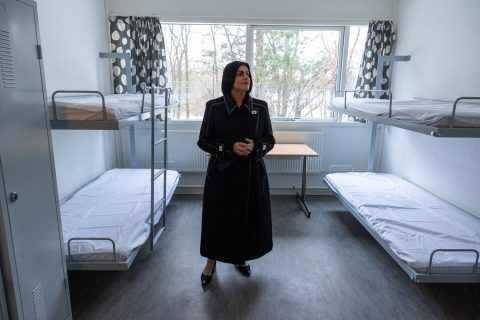
From Monday 2 March, individuals granted refugees status or humanitarian protection in the UK will receive a temporary leave lasting only 30 months. At the end of this period, the Home Office will review whether protection is still needed, if it concludes that it is not, individuals will be expected to leave the UK and return home. This applied to adults and children alike, though unaccompanied children will continue to receive five-year leave for now.
This is a significant and troubling departure from a rights-based protection system.
What has changed?
Previously, refugee status offered a more a stable pathway to permanent settlement which reflected the recognised difficulty of returning to a country where persecution is feared. The new 30-month limit which is modelled on Denmark’s strict system, replaces that stability with ongoing uncertainty. The Home Office has indicated that transitional provisions will apply to those granted refugee status before 2 March 2026, though details remain unclear at this point.
Why is this a cause for concern?
The renewal process risks retraumatising refugees by requiring them to repeatedly show a continued need for protection. Research consistently links prolonged uncertain immigration status to serious psychological harm.
There are also significant questions around the UK’s obligations under international law. Article 34 of the Refugee Convention requires signatory states, including the UK, to facilitate the assimilation and naturalisation of refugees. Taken alongside the proposed changes to indefinite leave to remain announced in 2025, this policy could be in conflict with that obligation.
Practically speaking, an individual with refugee status could face up to eight status reviews over 20 years before becoming eligible to apply for permanent settlement. As Home Secretary Shabana Mahmood has admitted, this will pose a challenge to integration. Stable settlement is an essential condition for rebuilding a life, contributing to communities and participating meaningfully in UK society, all of which is near impossible under persisting pressures of uncertainty.
There is also serious implication for Home Office resources. The Home Office already faces a substantial backlog, with asylum applicants waiting for prolonged periods of time in inadequate accommodation and without the right to work. Adding an ongoing renewal process to this caseload raises real questions about capacity and fairness.
Finally, while it is not clear what the specific process for challenging a decision to remove refugee status will look like, it is almost certain it will require specialist legal advice. This will place yet more pressure on an already stretched thin legal aid sector. Access to good legal advice at this stage will be critical, and the shortage of providers is a serious concern.
What happens next?
Many details are still unclear. How return decisions will be implemented and how individual can challenge them is still to emerge. A key concern is whether those deemed no longer in need of protection will face deportation to countries they still fear, or prolonged detention. The UK has no limit for how long a person can be detained, raising the prospect of indefinite detention for those who cannot be returned. This would be a deeply troubling outcome.
The UK’s asylum system is built on an international framework designed to protect the most vulnerable. Policies that prioritise the appearance of control over the real protection of individuals risk undermining that foundation entirely. We will be watching the implementation of these changes carefully, publish further updates as it becomes available and provide guidance to our clients.
Photo: Niklas Hallen – Home Office,
CC BY 4.0
-
Pause on Refugee Family Reunion Means More Family Separation
Written by: F Ahmed
The latest last-minute announcement on Monday represents a marked shift in cruelty of the Labour Government. In Yvette Cooper’s latest move, she has announced that Family Reunion applications under the scheme would be paused after 4 September 2025 at 3pm, with possible new restrictions introduced in 2026. Applications submitted before that date and time will […]Read article -
The UK’s New Asylum Strategy: The Danish Model of Deterrence
Written by: Christopher Desira
For years, Denmark has been held up across Europe as the archetype of a tough, deterrent-based asylum regime. It is the model now explicitly influencing the UK’s direction of travel. To understand what the UK’s new asylum policy aims to achieve, and the risks embedded within it, we need to understand what Denmark has done and what […]Read article -

Rethinking the UK’s Asylum Accommodation Plans
Written by: Caroline Echwald
The UK has a legal and moral duty to provide safe and adequate accommodation to people seeking asylum. People who arrive in the UK in search of safety are often fleeing conflict, persecution or serious human rights abuses. While their claims are being decided, they depend entirely on the support and protection provided by the […]Read article
Categories: AsylumImmigration News