

Changes to Asylum Support and Appeals 2026
Written by: Caroline Echwald

What is changing?
From 2 June 2026 the Home Office no longer has a statutory duty to provide asylum support to ensure individuals do not become destitute. This will not impact all people seeking asylum directly. The changes introduce working illegally as a reason for removing support.
The appeals process for asylum cases will be sped up to 24-week in certain circumstances. The change in law has not yet been implemented, but together with the changes to support, they show the direction of the asylum system in general.
What is changing and who will be impacted?
Those most impacted by the changes to the available asylum support are those who are destitute, meaning with no access to housing or funds to support them. They will be reliant on asylum support in the form of Section 95, Section 98 or Section 4 support. From 2 June 2026, this support will be granted on a discretionary basis. If it is established that an individual has been working illegally, the support can be withdrawn. This applies even if they risk becoming destitute because of withdrawing support. This would also affect the support for any of their dependents, such as children or a partner.
Why do asylum seekers need government support?
Generally, people seeking asylum do not have the right to work in the UK. Even though people seeking asylum have useful skills and want to work, they are not permitted to enter the job market. (Link to lift the ban)
Until now, the government had a legal obligation to meet a minimum standard of support when receiving asylum seekers. It was the Home Office’s statutory duty to provide that support. This was to ensure that people seeking asylum do not become destitute while their asylum claim is being decided and they have no access to work.
Why is the new ‘illegal work’ condition a problem?
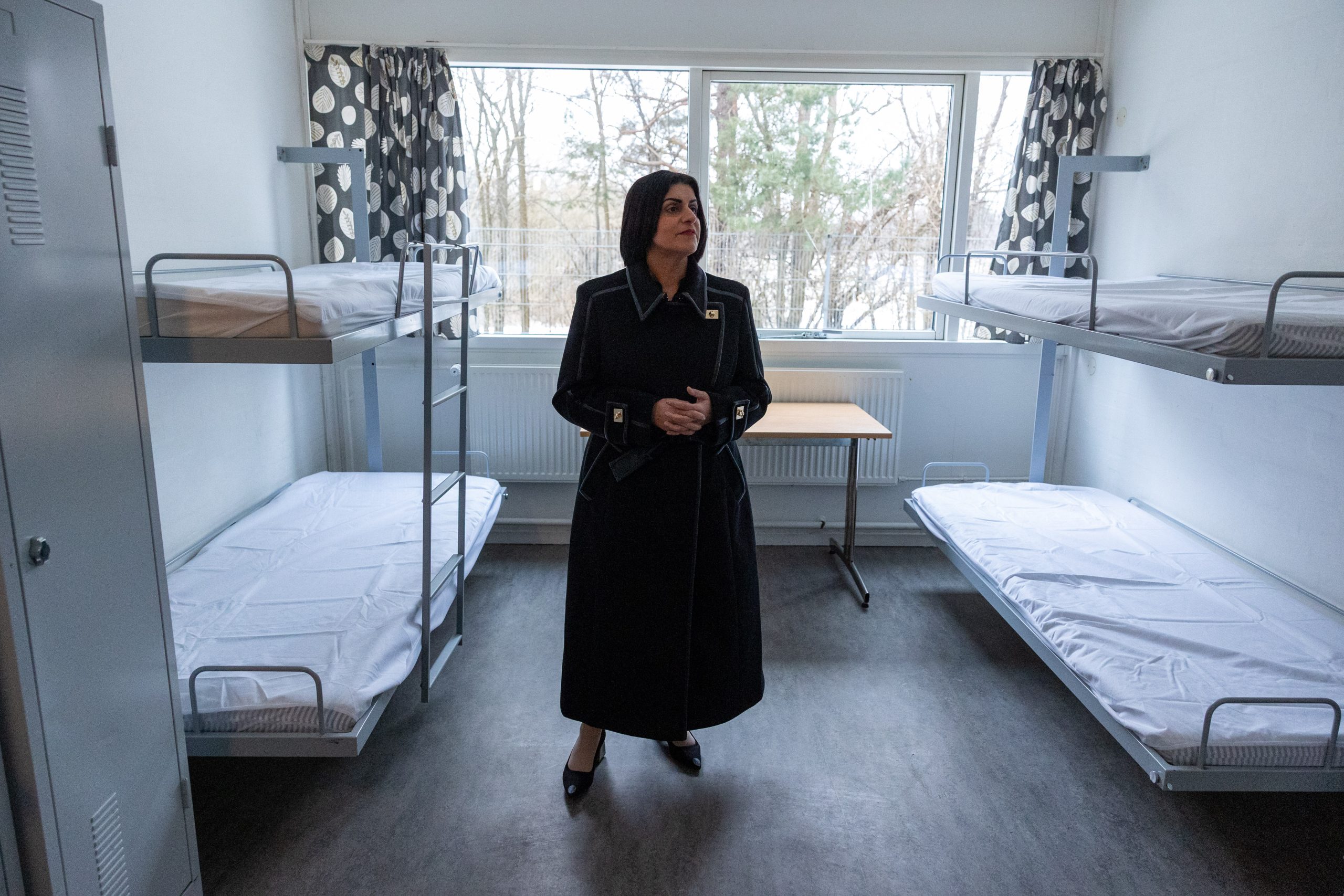
The support available is already very limited and asylum seekers must be destitute or about to become destitute to access it. The support often consists of unsuitable housing and if the accommodation does not provide meals, a person will receive just £42 per week to buy food and any other item they may need. In many cases this means asylum seekers are living in poverty with their basic needs barely covered.
A person seeking asylum may feel forced to work illegally because the level of support available is simply too low to sustain them. Now, those who are found to be working illegally will be at risk of losing the already limited support they receive.
There will however be some situation where the removing of support will be limited by ECHR Article 3 restrictions against torture, inhuman or degrading treatment.
How is the asylum appeals process changing in 2026?
Currently, an asylum appeal often takes over 12 months to be heard. Under new provisions, asylum appeals must be determined within 24 weeks. The 24 weeks will begin the day the appeal is lodged. This change will not affect asylum appeals across the board but will apply to appellants who are receiving asylum support or people who are not detained but who my face deportation due to committing a criminal offence.
Guidance on the new rules has not yet been published, so we do not know precisely how this will work in practice.
The government also intend to introduce a new Independent Appeals Body to help, they say, ensure an effective and timely system.
How will the 24-week rule impact the asylum system?
Even though no guidance is available yet, it will likely affect the entire asylum system when it comes to the availability of legal advice.
The new appeals timeline includes strict deadline compliance to meet the new time limit. This creates less time to obtain essential new evidence in an appeal, making it crucial to get legal advice at the earliest possible moment. Individuals looking to make an appeal may struggle to find representation as advisors may not have the time to support an appeals process within the new time restrictions. In an environment where legal advice, especially through legal aid, is already stretched thin, getting legal support for time sensitive appeals cases will likely be severely limited. People making their initial asylum claim are already struggling to access advice, adding stricter timelines for appeals, will likely further the ongoing legal advice crisis. While many waiting in limbo to have their appeals heard will be happy for quicker processing, it must not be at the expense of having time to obtain the evidence and legal representation needed to properly support their appeals.
What do the 2026 changes say about the asylum system?
The shorter timeline for appeals is presented to make the appeals system more efficient and streamlined. The limits to asylum support, is framed to ensure that those acting ‘illegally’ do not benefit and may be deported.
In Seraphus’ own work with people seeking asylum we have already seen how the ‘streamlining’ of appeals is materialising. Clients are receiving messages from the Home Office indicating that appeals ‘with little chance of success’ will be sped up, and if lost they will need to leave or be forced to do so. What these changes say about the direction of the asylum system is clear.
The appeals process is not promoted as a process to ensure a just legal system with consistent application of the law, nor to ensure justice for the individuals who take advantage of their right to appeal. Instead, it is viewed as an obstacle that creates backlogs and delays deportations.
Taken together with limits to support duties and the recent shorter grants of refugee status, the asylum system continues to get more restrictive, have less safeguarding and less focus on justice.
Legal aid At Seraphus
In 2023, we began taking on legal aid cases, expanding our work supporting individuals navigating complex immigration and asylum matters. As pressures on the legal aid system continue, we remain committed to providing accessible, high-quality legal support where it is needed most. Contact us to find out more about our capacity.

Find more information about making an asylum claim
Read more-

Claiming asylum for Palestinians: The case for re-inclusion under the 1951 Refugee Convention
Written by: S. Khan
Palestinians within Palestine and across the diaspora are forced to constantly contend with laws and systems of differentiation, exclusion, expulsion and erasure. The international refugee protection system is no different. Palestinians claiming asylum are forced to face a system which differentiates them from other refugees and to mediate an administrative boundary of exclusion from, and […]Read article -
The new 30-month limit for refugees, what it means and why it matters?
Written by: Caroline Echwald
From Monday 2 March, individuals granted refugees status or humanitarian protection in the UK will receive a temporary leave lasting only 30 months. At the end of this period, the Home Office will review whether protection is still needed, if it concludes that it is not, individuals will be expected to leave the UK and […]Read article -

Access to Justice Inquiry: what it means for immigration and legal advice services
Written by: Lydia Martin
In 2025, the UK Parliament’s Justice Committee launched a major inquiry into access to justice in England and Wales, placing the long-term consequences of legal aid cuts under scrutiny. The inquiry examines the state of legal services, representation, and the long-term impact of the Legal Aid, Sentencing and Punishment of Offenders Act 2012 (LASPO), which reduced […]Read article
Categories: AsylumHuman RightsImmigration News