

Can I work in the UK as a visitor? Yes, in some circumstances
Written by: Jane Taylor
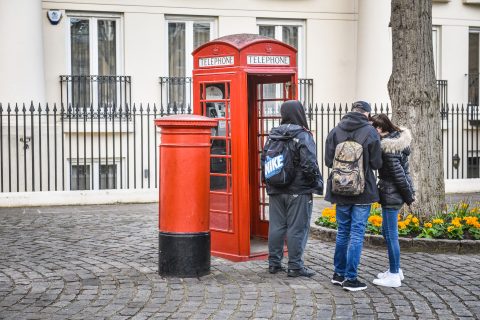
Jane Taylor breaks down the latest updates to the Immigration Rules, which allow certain exceptions for those on visitor visas to take part in some work-related activities. If you would like a broad overview of the different types of visitor visas, such as business visitor visas, you can have a look at our UK visitor visas page.
It has long been established that visitors to the UK cannot work here and they would need to get a different type of visa in order to work. However, the rules have been slightly relaxed as the UK government tries to make doing business easier and there have been many changes over the last few years.
The most recent change was at the end of January 2024 and it expanded the number of activities you can do as a visitor to the UK.
The actual rules say that
‘V 4.4. The Visitor must not intend to:
(a) work in the UK….’
However, further down the rules then say
‘…unless expressly allowed by the permitted activities in Appendix Visitor: Permitted Activities or Appendix Visitor: Permit Free Festival List’
What does this mean?
This means that, although a visitor to the UK cannot actually be employed in the UK, the government has a list of work-related activities which may be allowed for visitors.
To be clear, we’re not talking about actually taking a job in the UK, which is something different. What we are talking about is coming to the UK to engage in work-related activities, which can be allowed.
So what can you actually do? Here is a summary of some of the activities that are allowed at the time of writing:
Business employees/owners – You can, for example
- Attend meetings, conferences, seminars and interviews;
- Give a talk if it’s not profit making;
- Negotiate and sign deals and contracts;
- Attend trade fairs to promote your business, as long as you are not selling directly;
- Carry out site visits and inspections; and
- Work remotely from the UK, as long as this is not the main purpose of coming to the UK (normally, this would be expected to be for less than one month).
Employees of an international company with a branch in the UK – You can, for example
- Train and advise other employees;
- Work with clients and/or help with machinery and software under certain circumstances.
Lawyers – You can, for example
- Provide advice;
- Appear in court, under certain circumstances;
- Litigate.
Volunteers – you can volunteer for up to 30 days with a registered charity.
The changes in January 2024 added new activities to the list. Some of the new additions include being allowed to work directly with clients and being allowed to work remotely.
You mostly cannot be paid from a UK source for your work-related activities but certain visitors can and this includes academics, experts, artists and professional sportspeople. The allowed paid activities are known as Permitted Paid Engagements or PPE and a list of these can be found under Appendix V of the Immigration Rules. Previously, you would have needed to get a special visa for PPEs, but you can now do these on a visit visa. The PPE activity must be arranged beforehand, declared when applying and completed within 30 days of arrival.
Conclusion
So now you know that you can do some work in the UK as a visitor. If you would like to see more information about visitor visas, you can find more information here on our website.
Please note that there are many exceptions and conditions to the above rule changes, and if you intend to come to the UK as a visitor and want to do something work related, it is sensible to get legal advice beforehand.
If you are planning to come to the UK for a longer term stay for work, you may want to find out more about temporary work and long term work visa options. If you are an employer looking for more information on immigration and working rights in the UK, you can explore our business immigration page or read more about sponsoring Skilled Workers and getting a Sponsor License in our Knowledge Centre.
Planning a work trip to the UK?
If you have questions about what visas and documentation you need, or what activities specific to you and your work are permissible in the UK, get in touch with a Seraphus lawyer via the contact form below.

-

British citizenship 2026: Is now the right time to apply?
Read articleWhile more people are applying for British citizenship than ever before, your individual situation is what matters the most when deciding to become British. If you have been thinking about applying, there are a few things to keep in mind when deciding if now is the right time for you. Are applications being approved? Even though more […]
-

Can I travel while waiting for a visa application decision 2026?
Read articleWhether you can travel while waiting for a decision on an immigration application depends on the application you made, the visa you applied for and if this was done from inside or outside the UK. Applications made inside the UK If you applied for an immigration application from inside the UK and are waiting for […]
-

Travelling to and from the UK: key immigration points to keep in mind in 2026
Read articleWith summer travel underway, some are being caught out by updates that affect their travel. With many areas of immigration law making the headlines, it is easy to have missed updates can affect your travel plans. Visiting the UK this summer? Depending on your nationality and status there are different immigration points to check before […]
Categories: Business MigrationVisiting the UK