

Have the new Earned Settlement rules come into force? May 2026 update
Written by: Caroline Echwald
What is Earned Settlement?
The Government is reforming how migrant people qualify for settlement or Indefinite Leave to Remain through an Earned settlement model. This was announced in March 2025 and was originally expected to come into place this year. This has understandably caused much concern. However, as of May 2026 the proposed changes to settlement are not yet in effect. Below, we give a brief update and go through what this means for you.
Have the settlement rules changed?
The short answer is no. The rules for ILR or settlement have not changed yet.
As we have previously written, the proposed changes would be significant, doubling the current five-year route to settlement to 10 years, and even 15 years for some ‘medium-skilled’ workers. The duration of required residence could also be affected by use of public funds, criminal convictions and contributions to UK society. In some cases, it may extend the route beyond 10 years.
These major changes have not been implemented yet. You are still able to make an application for Indefinite leave to Remain after five years of residence if you are on a five-year route.
What settlement rules have changed?
While the major changes relating to qualifying period have not yet been implemented, some changes are already in effect or will be coming into effect soon.
The end to overseas recruitment of social care workers, higher English language requirements for new skilled workers and changes to the jobs eligible for skilled worker sponsorship, is already in place.
On 26 March 2027, the new higher English language requirements for Indefinite Leave to Remain will be implemented. This will require applicants to have B2 English.
When will the new rules come into force?
As of May 2026, there is no date for when the new rules will come into force. However, in March the Home secretary said that they will be making these changes later in the year, likely in the Autumn.
If you are close to reaching five-year’s residence or your visa route to apply for settlement, it may be worth making an application before the new rules take effect. This is because the new rules are intended to apply to those who are already in the UK on a route to settlement, although this is still being considered following the consultation.
Will the required time really double from 5 -10 years?
As a part of the process of implementing the proposed changes, a consultation on the proposal was held between November 2025 and February 2026. Now closed, this consultation saw more than 200,000 responses from organisations, legal advice providers and individuals, including one from Seraphus. These will now be analysed by the government and the outcome of this is yet to be published.
The proposals have been heavily criticised by those who work with migrants, academics and experts in immigration law. Hundreds of people have campaigned and lobbied to stop the policy, and the devastating impact it will have on communities. As noted in Seraphus’ own consultation response, it is a drastic move with no comparison in similar countries. The policy will prolong insecurity for communities and the UK workforce.
There is no guarantee that the many responses to the consultation will be reflected in the government’s plans. Technically it is still possible that aspects of the proposals could be scrapped or modified to include a more rights-based approach.
There is still much uncertainty about the timeline and scope of the changes to settlement and ILR. If you are worried about how it may impact you, get in touch and we can support you through this changing area of law.
Are you worried about how these changes may impact you?
There is still much uncertainty about the timeline and scope of the changes to settlement and ILR. If you are worried about how it may impact you, get in touch and we can support you through this changing area of law.

-

The Earned Settlement proposal: What it means for you?
Written by: Aarshi Joshi
The UK government has proposed significant reforms to the way migrants qualify for Indefinite Leave to Remain (ILR), introducing a new “Earned Settlement” model that could substantially extend the time required to secure settlement in the UK. This FAQ explains what Earned Settlement is, how it may work in practice, who is likely to be affected, […]Read article -
ILR Policy Changes: Advocating for Fairer Routes to Settlement
Written by: Caroline Echwald
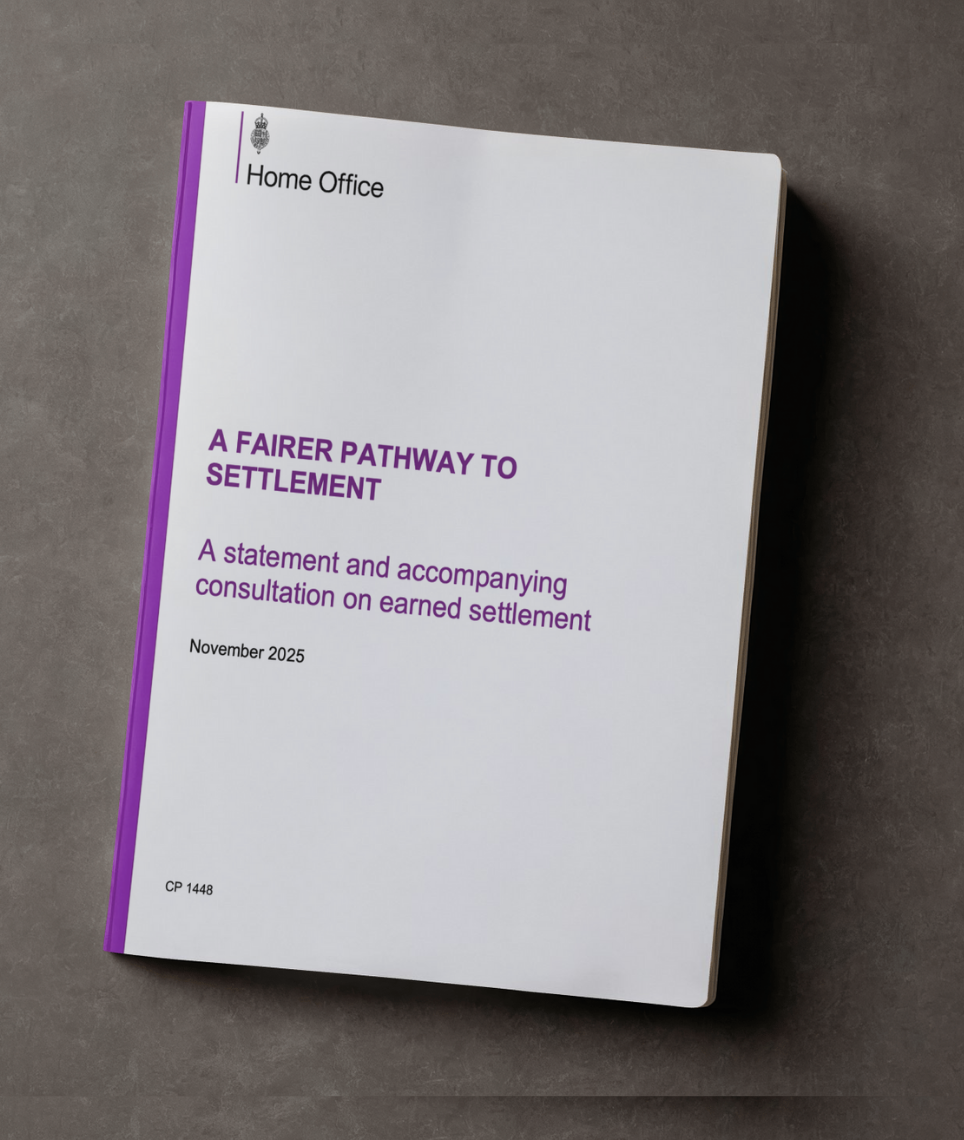
In November 2025, the UK Government published A Fairer Pathway to Settlement, a consultation setting out significant reforms to Indefinite Leave to Remain (ILR), also referred to as settlement. Building on the May 2025 Immigration White Paper, the consultation proposes an “earned settlement” model that would extend qualifying periods, introduce income thresholds and penalties linked […]Read article -

What Is Indefinite Leave to Remain (ILR) and What Does It Mean?
Written by: Aarshi Joshi
What does ILR mean? Very simply, ILR means indefinite leave to remain in the UK. If you hold indefinite leave to remain it gives you the right to live in the UK permanently. You may have heard indefinite leave to remain referred to as permanent residence in the UK. Both terms are used interchangeably, however […]Read article
Categories: Immigration News