

How Immigration Is Shaping the Future of Britain’s High Streets
Written by: Sunee James
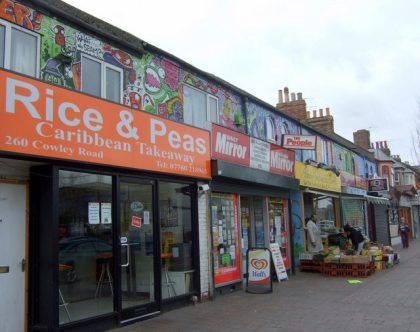
In 2026, the British high street is still in transition. Across the UK, town centres continue to face rising costs, empty units, and the long aftershocks of the pandemic. Many national retail chains have not returned, and local authorities remain under pressure. Yet alongside this uncertainty, another story has been taking shape, one that points toward a more hopeful future.
In many communities, immigration is playing a central role in sustaining and renewing local high streets, not through large-scale redevelopment, but through migrant-run independent businesses investing in places others have left behind.
Stapleton Road in Easton, Bristol offers a clear example of what this migrant entrepreneurship looks like in practice.
Immigration-led enterprise on Stapleton Road
Stapleton Road, long known as one of Bristol’s most culturally diverse streets, has become a place where independent entrepreneurs from around the world operate essential businesses that serve local residents day after day. The restaurants, grocers, barbers and service-oriented meet needs that larger chains have not returned to address: affordable food, flexible working hours, personal services, and businesses embedded in the fabric of community life.
What is striking about Stapleton Road in 2026 is not just its vibrancy, but its continuity through disruption. Many of the independent businesses that define the street today have endured significant economic headwinds, from the lingering effects of Brexit and pandemic-era trading challenges to inflation and rising property costs. Their persistence demonstrates that migrant-led enterprises can provide resilience as well as renewal by attracting regular local trade rather than destination visitors.
A Pattern Emerging Across the UK
Stapleton Road’s experience is not unique. Research on so-called super-diverse streets across England has documented how migrant-led small businesses sustain everyday retail economies in cities including London, Manchester, Leicester and Birmingham, often filling gaps left by larger chains and operating outside conventional regeneration models.
Similar dynamics are visible elsewhere. In North London, Green Lanes has been shaped by independent Turkish and Kurdish shops and eateries that define the high street’s identity and draw regular local trade. Further north, the diverse Cheetham Hill is shaping local shops and services leading to continued street-level activity. These streets are not revived through landmark investment but kept active by entrepreneurs embedded in the communities they serve through:
- Small-scale capital involving businesses starting with modest investment
- Family and community labour with multi-generation involvement
- Reinvestment of earnings locally
- Deep local knowledge of consumer needs and community networks
In this context, immigration is not a side detail, it is part of the engine of local renewal.
The High Street as Shared Infrastructure
By 2026, the high street is less a beacon of national fortunes and better understood as local infrastructure: evolving, responsive, and rooted in community needs. Stapleton Road’s experience points to what the future may hold for many of Britain’s high streets. Where large capital has not returned, migrant-led businesses have proved resilient, providing daily services that go beyond commerce and supporting social and cultural connection alongside economic activity.
Many of these entrepreneurs, their families and workers navigate complex immigration rules and visa requirements to live, work, and invest in the UK. Access to legal advice and support is therefore not marginal, it underpins the continuity and vitality of local high streets. Across the UK, this quieter form of renewal reflects the role of migration in shaping local life.
Photo © Copyright Natasha Ceridwen de Chroustchoff CC BY-SA 2.0
-

How Refugee Women Are Using Film to Tell Their Stories
Written by: Sunee James
In a political climate where the rhetoric about asylum and migration is increasingly hostile and divided, it is more important than ever to seek out and listen to the voices of those directly affected by experiences of fleeing and seeking safety. Makani, a woman-led organisation supporting refugee and asylum-seeking women is amplifying exactly these perspectives through […]Read article -
Food as a Bridge: How Community Food Initiatives are Building Belonging in the UK
Written by: Sunee James
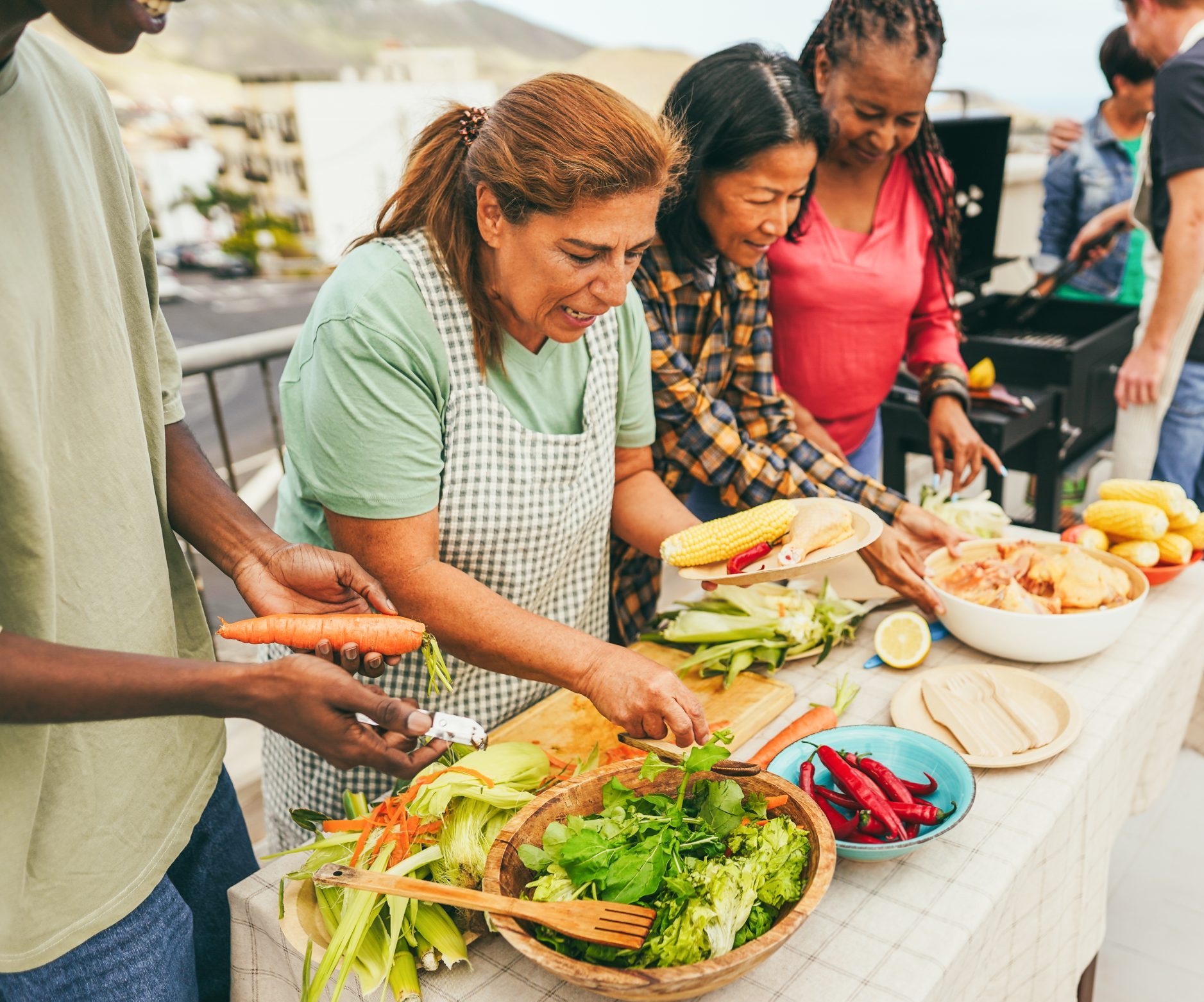
Food is a powerful tool for bringing communities together. Migrant-led supper clubs and community kitchens are reshaping high streets and village halls across the UK. These initiatives create belonging and aim to support and celebrate migrants on their journey to feeling at home. From Glasgow’s Soul Food Sisters, to London’s Migrateful Cooking Classes, these food projects are united […]Read article -

UK Family Visa Common Questions
Written by: Christopher Desira
Applying for a UK family visa can feel overwhelming, but knowing the basics makes the process much clearer. Below we answer the most common questions about family visas, eligibility, and costs. Who qualifies for a family visa? You can apply for a family visa if you want to live with a close family member in […]Read article
Categories: Human RightsImmigration Rights