

Travelling to and from the UK: key immigration points to keep in mind in 2026
Written by: Mauricio Cruz

With summer travel underway, some are being caught out by updates that affect their travel. With many areas of immigration law making the headlines, it is easy to have missed updates can affect your travel plans.
Visiting the UK this summer?
Depending on your nationality and status there are different immigration points to check before travelling and returning to the UK.
Electronic Travel Authorisation (ETA)
For tourists or those visiting the UK this summer, the biggest change is the roll out of the Electronic Travel Authorisation system. This affects non-visa nationals who do not need to obtain a visit visa before travelling to the UK. While the ETA scheme has been present since 2023, strict enforcement of the requirement for all non-visa nationals began on 25 February 2026. Previously, non-visa nationals did not need to apply for anything to enter the UK. After February 2026 they must have an ETA before travelling to the UK. An ETA is not the same as a visit visa; it is an authorisation to travel and is quick to obtain but you should remember to include it when planning your trip. You will still need to satisfy the requirements of being a visitor even if an ETA has been granted.
The strict enforcement of the ETA scheme has led to some travellers being denied boarding to travel to the UK. In some cases, people are delayed by the carrier while they complete an application for an ETA before being allowed to start their travel to the UK. While the ETA applications are quick, Border Force does have the power to refuse your entry if you do not have an ETA.
Following Brexit, EU citizens are also treated as non-visa nationals.
British nationals are not eligible for ETAs.Visa nationals must apply for a visit visa before travelling. An updated list of visa-nationals is available on gov.uk.
Travelling to the UK with a visa: eVisas
If you have a UK visa, such as a visit visa or a visa that allows you to live in the UK, your eVisa is the legal proof of your status. Before travelling, you should:
- Check that your eVisa shows the correct information.
- Keep your passport details up to date in your UKVI account. You should also make sure you travel with a valid passport or travel document that is linked to your UKVI account.
- Dual nationals should travel on the passport or ID document that is linked to their eVisa.
You do not need to generate a share code to travel but the Home Office recommends you travel with one, and it is useful to check you can access your UKVI account when needed.
Some people do choose to carry a printout of their grant letter or expired BRP for reassurance. This can be helpful, however the online eVisa is your only legal proof of status.
Confused about what an eVisa is? Read more about eVisas and proving your status.
If you already have immigration status in the UK, you may have questions about how absences from the UK affect your current visa or future applications. The rules depend on the visa you are applying for. For example, citizenship applications and applications for settled status under the EUSS will have different absence limits. Make sure you understand the rules that apply to you to avoid future issues.
What if I have physical document?
Some long-term residents in the UK may still have old vignettes or stickers in their passports as evidence of their settlement or indefinite leave to remain in the UK. If you have one of these, you should take the document with the vignette with you, even if it is in an old passport as well as all passports issued to you since.
You may find it easier for travel purposes to submit a No Time Limit application. Essentially this replaces your paper immigration document with an eVisa. If you already have an eVisa with indefinite leave to remain, you can rely on that.
What about Europeans living in the UK before Brexit?
If you are an EU national or a family member and were living in the UK before 31 December 2020, you may have a physical EEA residence document. These documents became invalid after 31 December 2020. EU nationals and family members with residence before then should have applied to the EU Settlement Scheme(EUSS). The deadline to apply to the EU Settlement Scheme was 30 June 2021.
Some people only discover the need to apply when they travel and are questioned by a border official when returning to the UK. If this applies to you, it is important to seek advice to understand if you should have made an application to the EUSS. If so, your application will be considered a late application.
Read more about the EU Settlement Scheme.
Travelling with children
Visiting the UK
If your child is a non-visa national visiting the UK, they must also have their own ETA as described above.
Similarly, if your child needs a visa to visit, or already has a visa to stay in the UK, they will have an eVisa as proof of their immigration status. You must make sure that their current passport is linked to their UKVI account and that the passport details are all up to date.
What about my child who was born in the UK?
Children born in the UK are not always automatically British. Before travelling, you should try to clarify their immigration status. If they are British, you should apply for and obtain a British passport for them. You do not have an automatic right to enter the UK when returning from travel if your child does not have the correct passport or immigration status. If a child travels without status, there is a risk of being refused entry to the UK. Even though Border Force can decide case by case, we do not recommend that you rely on that.
Read more about how children may acquire citizenship in the UK.
Can my EU national child travel to the UK?
If your child is an EU national and you hold status under the EUSS, it is important to make sure your child has the right status before travelling.
If you are unsure if your child could be British or if they need status under the EUSS, it is recommended that you seek legal advice to understand their situation before travelling.
Read more about which children need EUSS status, and which are British.
Immigration travel Checklist
- Non-visa nationals visiting the UK: Check if you need an ETA before travelling.
- For those with eVisas: Make sure your eVisa is correct and linked to the passport you will use.
- For those without eVisas: If you still have a physical document, take it with you.
- If you previously held an EEA residence document, these are now invalid. You may need to check if you can apply for the EU Settlement Scheme if you have not already done so.
- If your child was born in the UK, confirm their status or passport before travelling.
- Check how your absences may affect your current visa or future applications.
Need advice ahead of your travel?
If you have questions about ETAs, visa queries, or if you are unsure of your child’s status ahead of your travels our team of expert immigration lawyers can help guide you through this new area of immigration law.
Get in touch with a Seraphus lawyer via the contact form below.

-

Travelling to the UK? Here is what changes from 25 February 2026
Written by: Chris Benn
From 25 February when Electronic Travel Authorisation (ETA) came into force, all travellers to the UK must have the correct documents and permission otherwise they may not be able to travel to the UK. Below we cover how to ensure your travel to the UK is not disrupted by the changes. Background: The UK government divides […]Read article -
Does the Home Office prevent dual British citizens from travelling to the UK?
Written by: Chris Benn
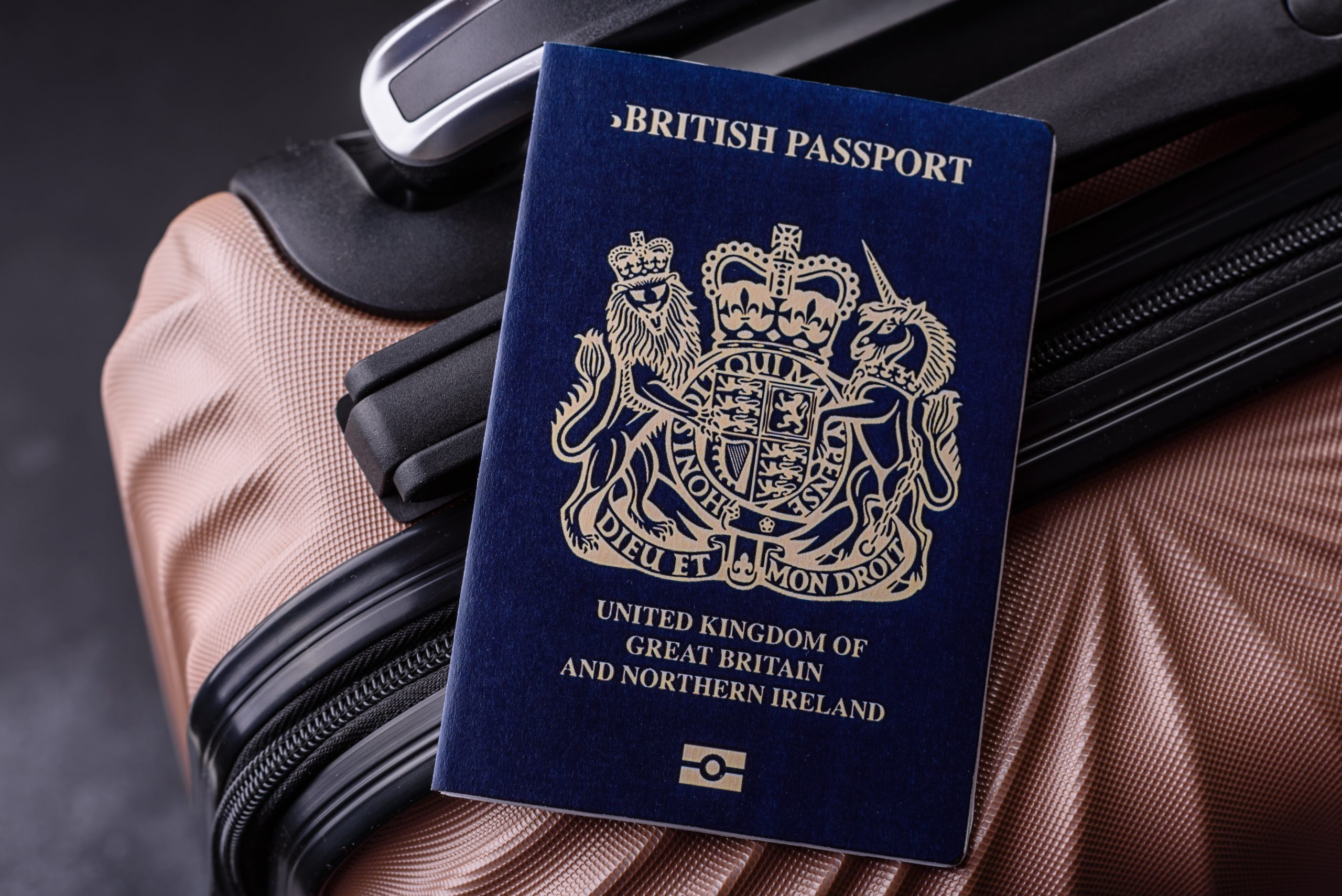
The short answer is yes; the Home Office will not allow British citizens to return to the UK if they do not have the correct documents. The Home Office has guidance for dual citizens that explains how to ensure you have the correct documentation when travelling to the UK. Up until recently, it may have been possible […]Read article -

Does your child need EU Settlement Scheme status?
Written by: Chris Benn
Children born to parents with status under the EU Settlement scheme (EUSS) will need to apply for status unless they are British or Irish. When your child needs to apply and what kind of application they need to make depends on your status and whether they are inside or outside the UK. It is important […]Read article
Categories: Visiting the UK